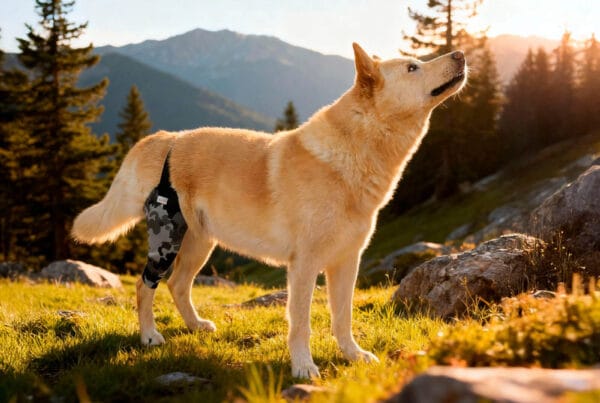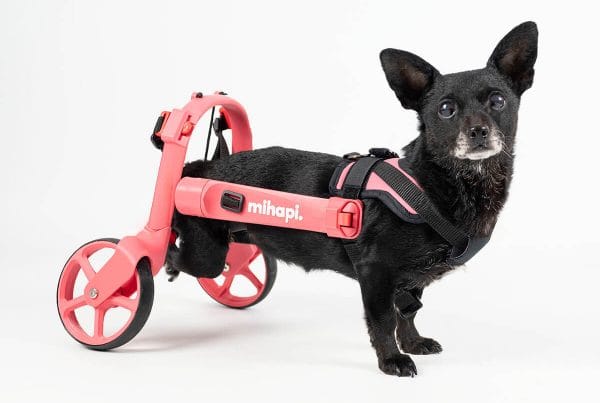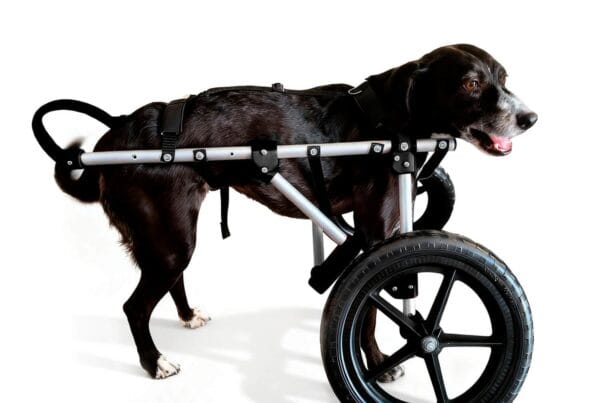

A custom dog brace is one of the options that raises the most questions when a guardian needs orthopedic support for their dog. When you consider fitting a brace for your dog, it’s normal for the following question to arise:
Is a standard-size brace better, or a custom brace?
The answer is not universal. When we talk about custom dog braces, we refer to a support device made from a mold or a specific adaptation to the animal’s limb.
This type of custom brace is especially indicated when there are deformities, rotations, or anatomical patterns that fall outside standard sizing.
It depends on the type of injury, the dog’s anatomy, and the goal of the support.
At Mihapi®, we work with both systems. That is precisely why we can guide you with real, practical criteria.
In this article, we explain the technical differences and when we recommend each option.
What is a technical-fit brace?
A technical-fit brace is not a random standard brace.
At Mihapi®, we have developed our own technical sizing system after hundreds of cases, allowing us to refine our designs so that up to 88% of common cases fit well within our sizing system.
We manufacture in Spain following a specific measurement system that the owner can take at home (widths and distances between joint reference points).
A partir de esas medidas, se selecciona y ajusta el tamaño estructural más adecuado.
Technical features
Rigid stabilizing structure
Predefined anatomical design
Padded interior (technical foam)
Velcro fastening straps with protection
Stabilization of the carpus, tarsus, or the entire limb depending on the model
You can learn more about the technical features here..
What types of cases does it work very well for?
Carpal or tarsal hyperextension (learn more about hyperextension here).
Joint instability without severe deformity
Post-surgical recovery after fractures
Preventive support in degenerative conditions
When measurements are taken correctly and the anatomy is standard, the result is very precise.
Real examples where a technical-fit brace works very well
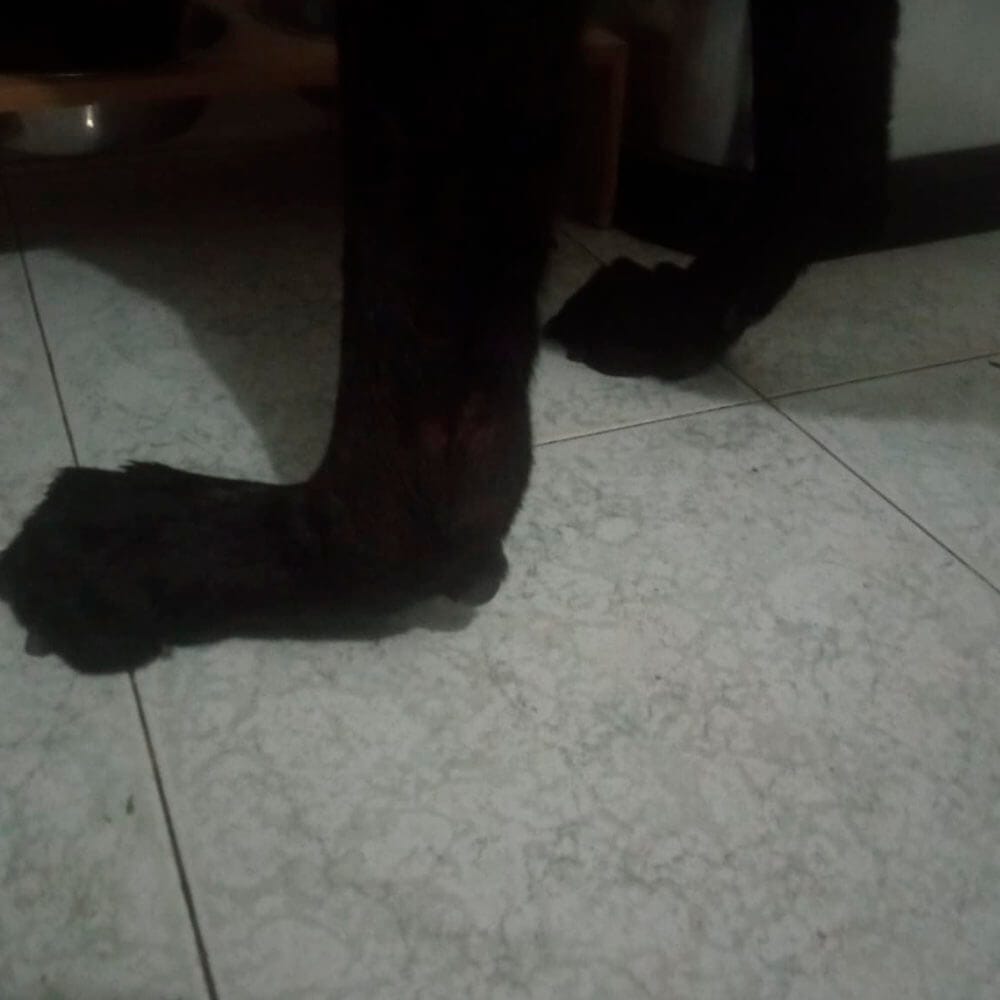
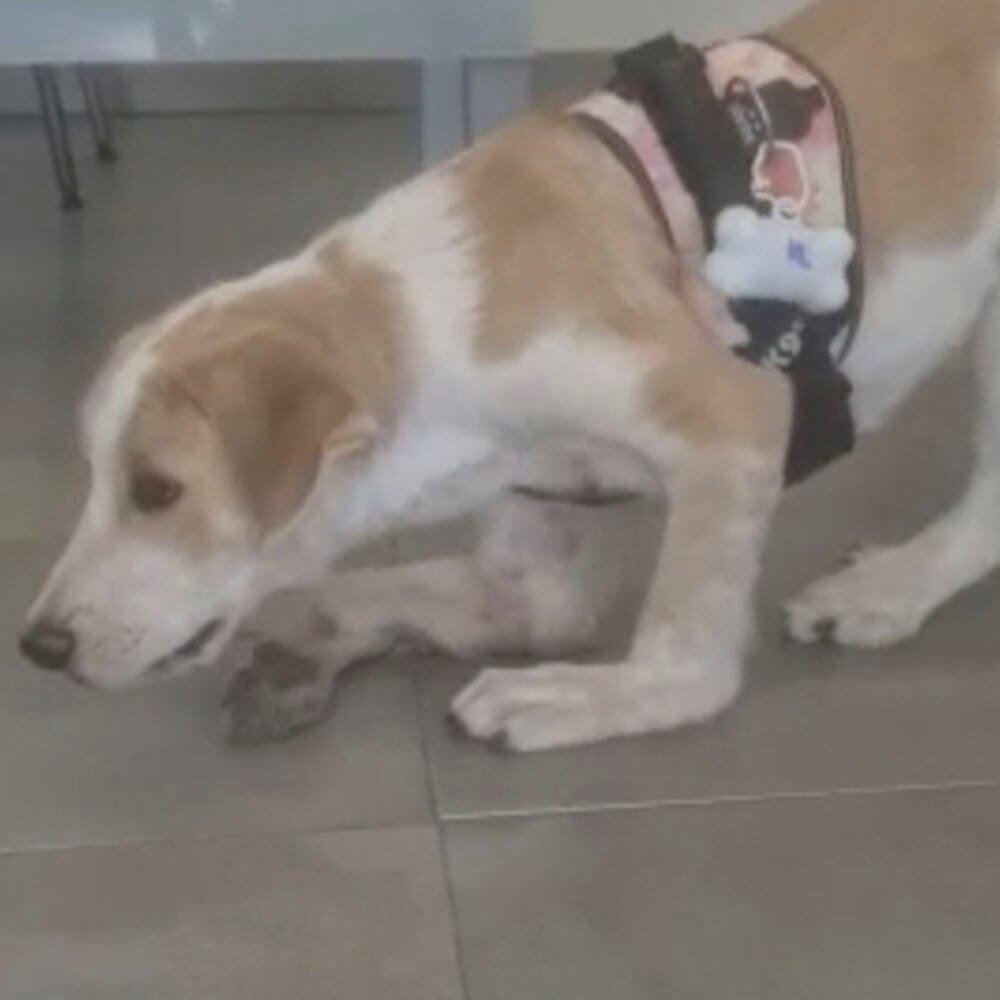
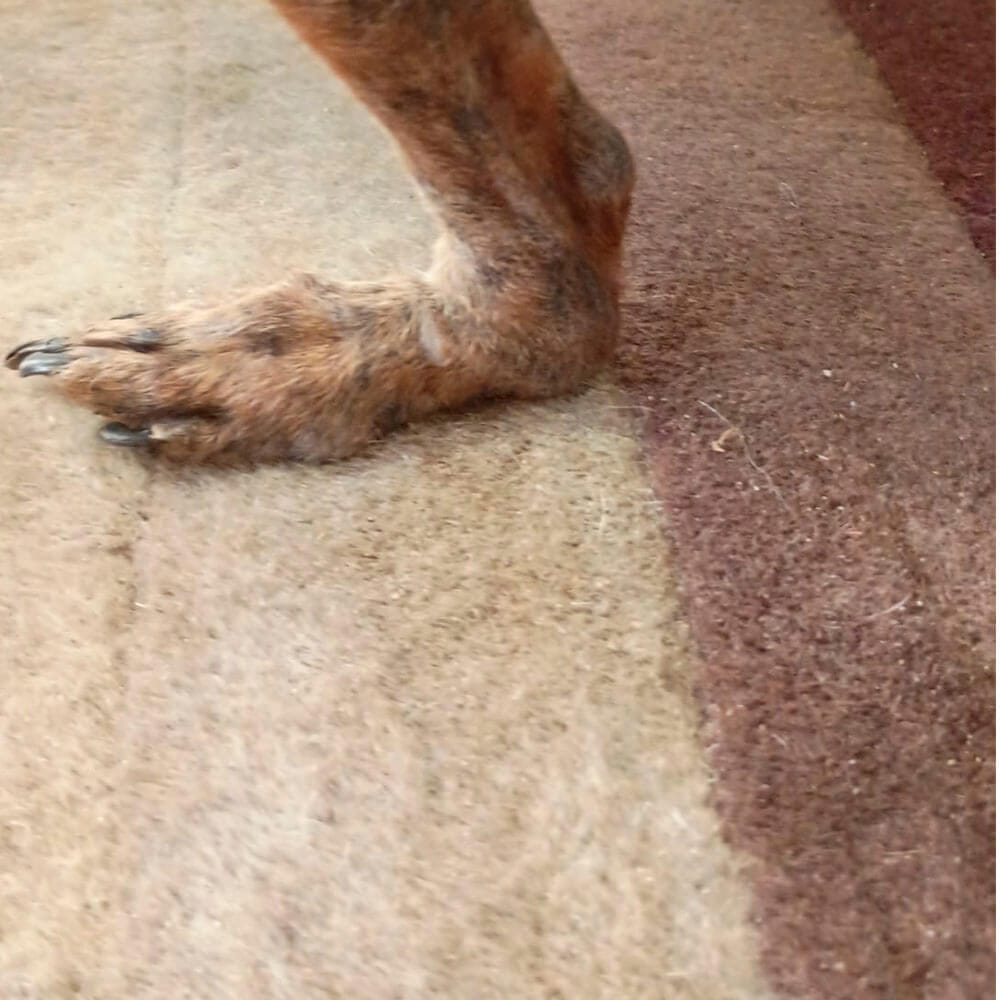
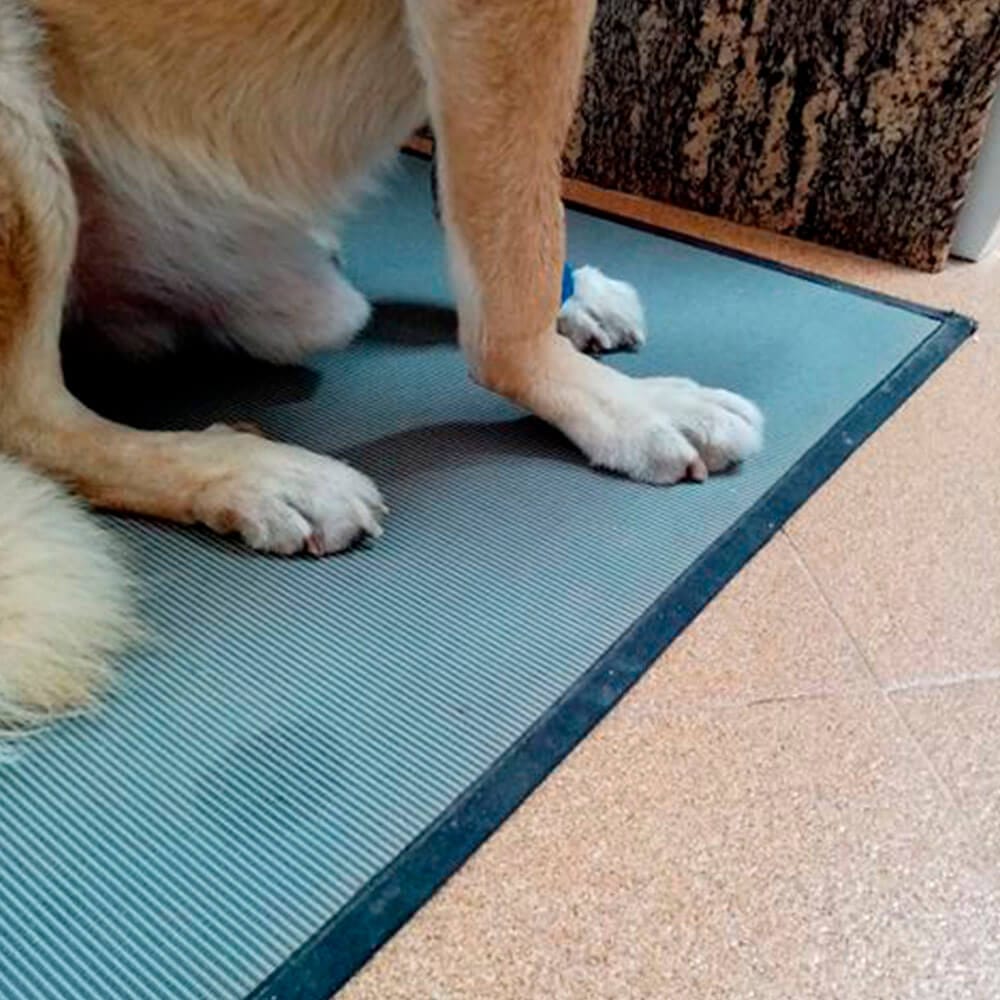
Real cases of carpal or tarsal hyperextension without severe deformity. Learn more about carpal hyperextension here.
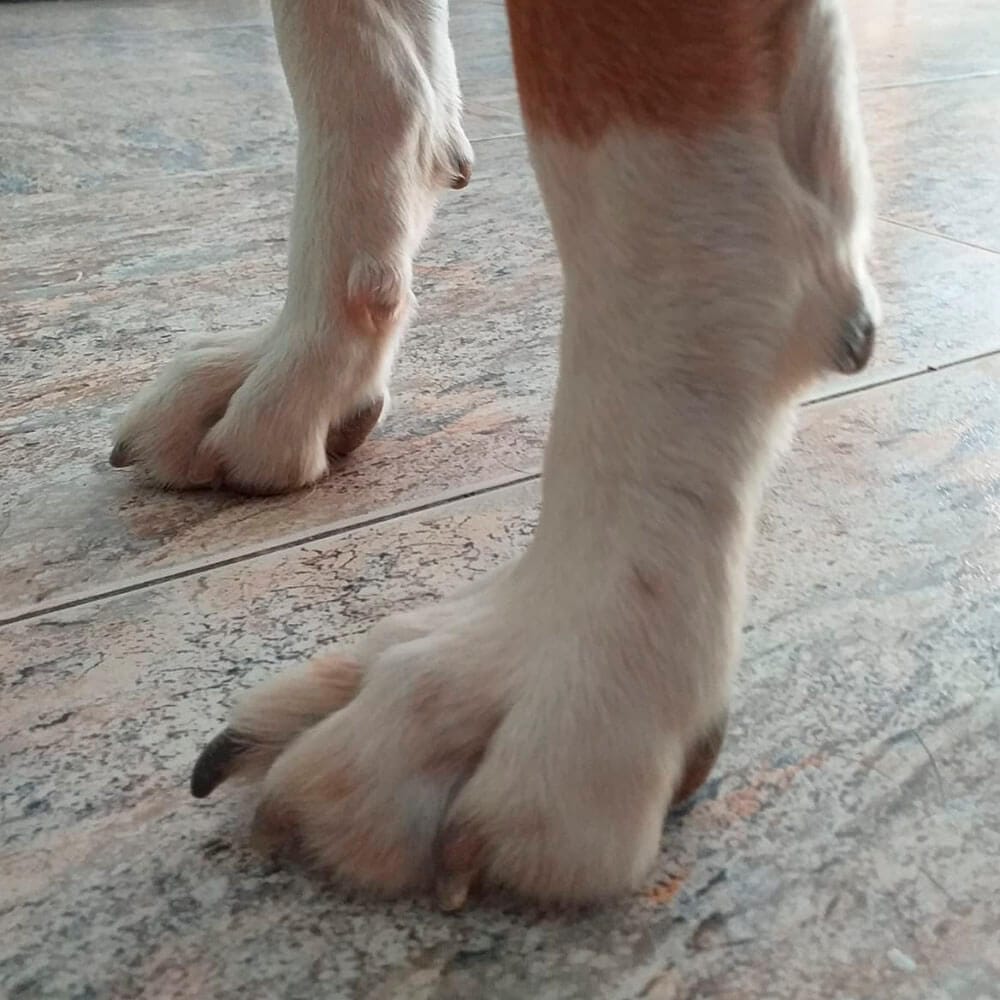
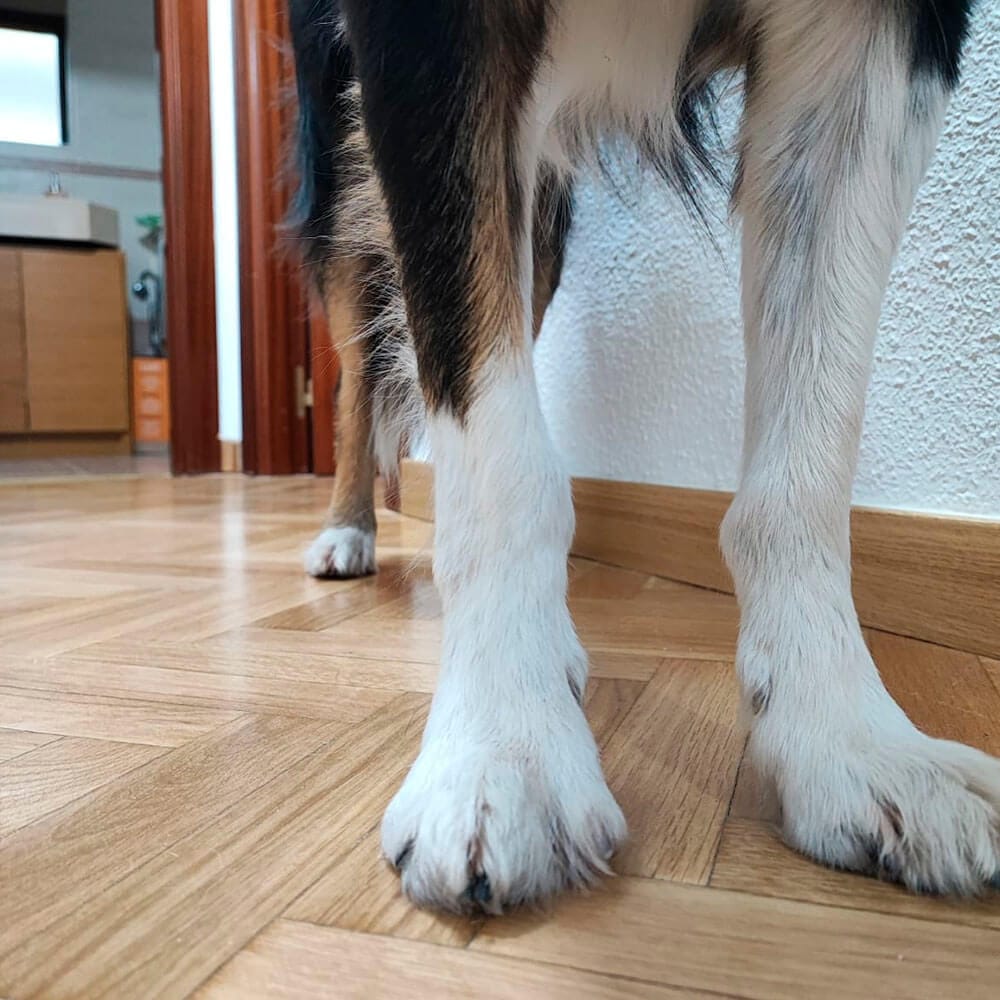
Real cases of limbs without deformities that need additional support.
What is a custom brace?
A custom brace is made based on the exact shape of the dog’s limb.
It can be made using:Se puede hacer mediante:
Physical mold
3D scanning
Hybrid techniques
Here we do not work with generic sizes, but with the real geometry of that specific limb.
When should you choose a custom dog brace?
These include functional patterns that usually require deeper analysis before choosing a technically sized brace.
Angular deformities with visible structural changes.
Carpal and/or toe flexion contracture (e.g., “paw bent downward”, “cannot extend the paw” — a typical functional pattern).
Marked asymmetries between limbs.
Scars, edema, or bone irregularities.Alterations in pad support.
It is a more individualized solution, but also more complex to produce.
One of the most common cases requiring a custom brace: carpal and/or toe flexion contracture.
A situation we frequently see, especially in front limbs, is known as:
Carpal and/or toe flexion contracture (joint locking in flexion).
Many owners describe it more simply as:
“My dog keeps the paw bent downward”
“He cannot extend the paw”
“He supports the back of the paw”
“The limb remains rigid in a closed posture”
What happens is that the joint becomes fixed at an angle opposite to the natural extension used for support.
Instead of extending the carpus and toes to support the pads, the limb remains contracted, forming a closed angle.
It may be caused by multiple factors (neurological, muscular, traumatic sequelae, or degenerative processes), but from a functional point of view, the key is understanding the mechanical pattern.
Real technical differences
| Aspect | Technically sized brace | Custom brace based on a mold |
|---|---|---|
| Manufacturing basis | Structured system of anatomical measurements | Geometry adapted to the dog’s specific limb |
| Level of adaptation | High in standard anatomies | Maximum in complex anatomies or with deformity |
| Production time | Optimized production | Fully individualized manufacturing |
| Cost | Competitive within the orthopedic market | Premium segment (individual manufacturing) |
| Recommended for | Functional instability, joint support, and prevention of hyperextension | Structural deformities, rotations, contractures, or joint lockings |
Neither option is “better” in absolute terms. The choice between a technically sized brace and a custom dog brace depends on the specific anatomical pattern. Each has its appropriate context.
Advantages and limitations
✔ Advantages of technical sizing
Faster process
Excellent cost-effectiveness
Lower logistical complexity
⚠ Limitations
Does not correct severe deformities
✔ Advantages of a custom brace
100% personalized fit
⚠ Limitations
Longer process
Cases where we do NOT recommend technical sizing
Since 88% of typical cases fit well with a technically sized brace, what happens with the remaining 12%? At Mihapi®, we do not always recommend standard sizing.
When a technically sized brace does not provide the required level of adaptation, insisting on it may cause discomfort or the need for returns. These are the most common situations where a custom option should be considered:
Significant angular deviations
The limb has undergone multiple surgeries
There is a pronounced congenital deformity
The limb presents structural rotations
Measurements do not follow normal anatomical proportions
In these cases, insisting on technical sizing may cause discomfort or require reworking the brace.
Real cases where we recommend a custom brace
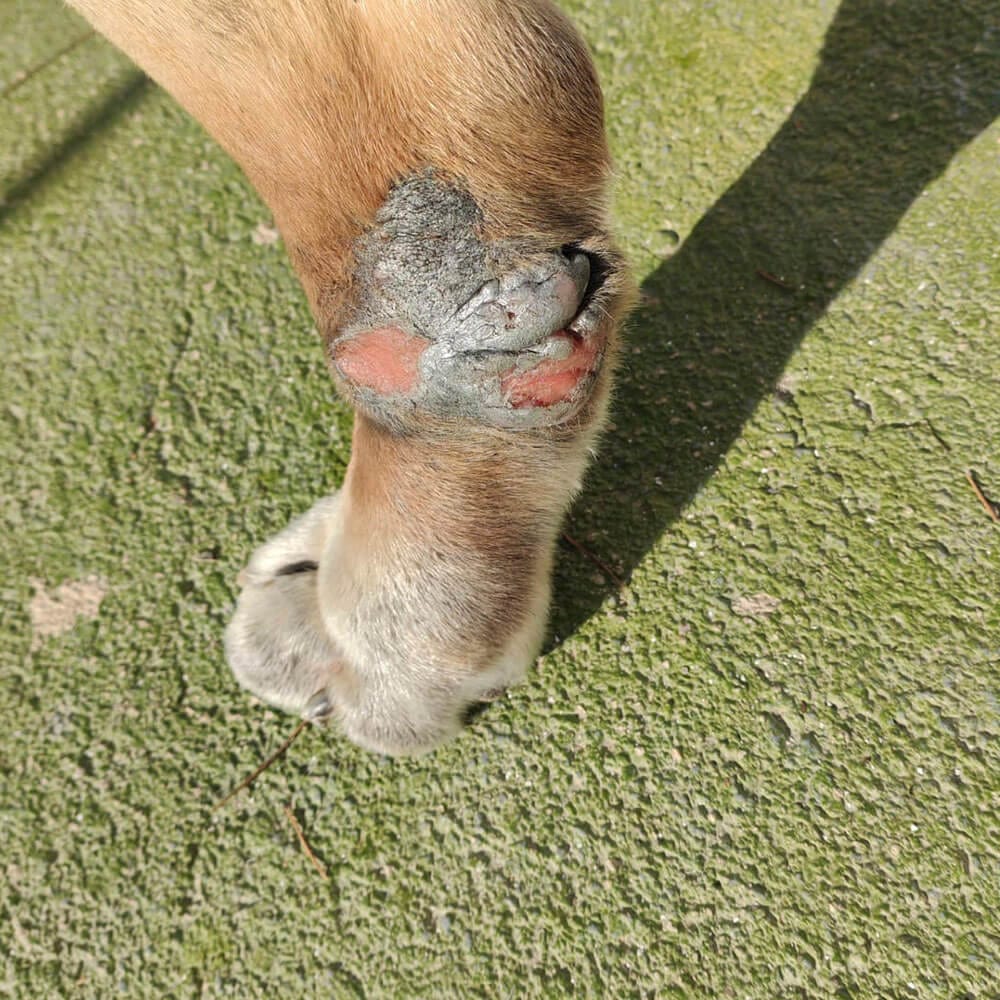
Wounds, scars.
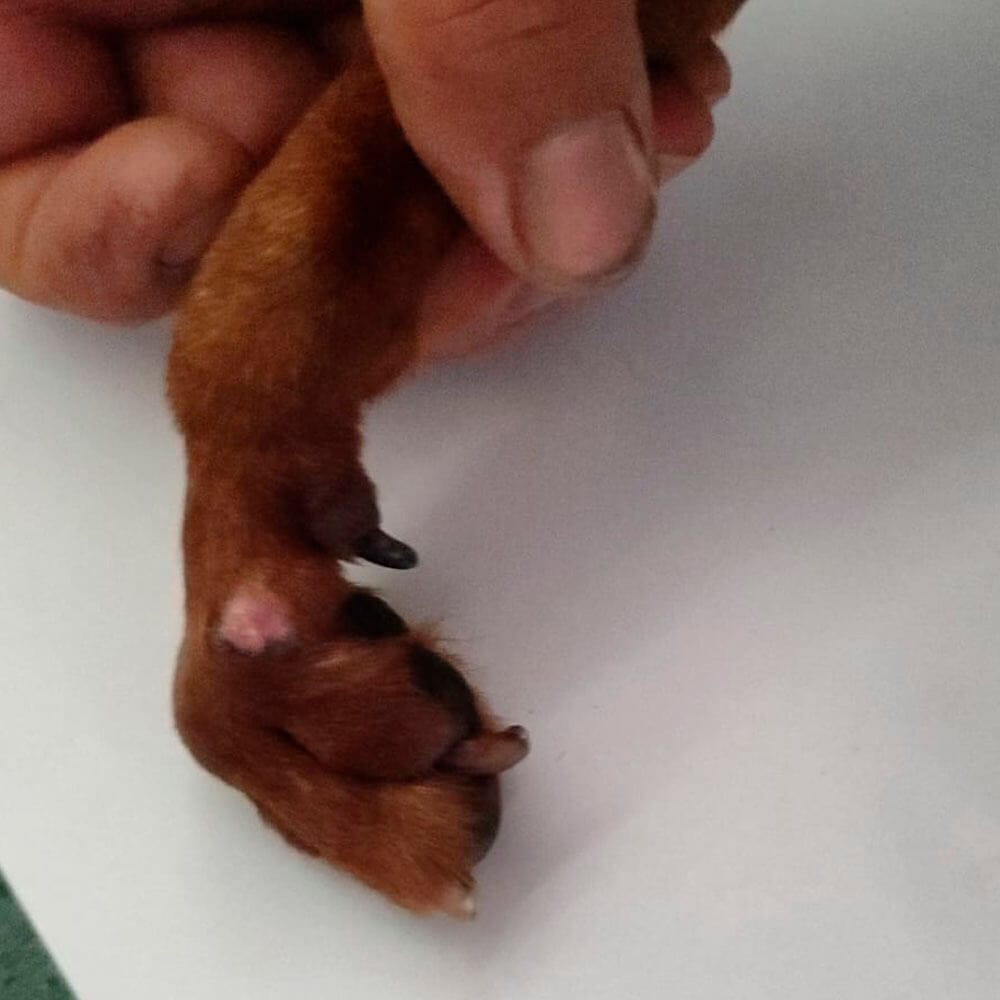
Carpal and/or toe joint locking.
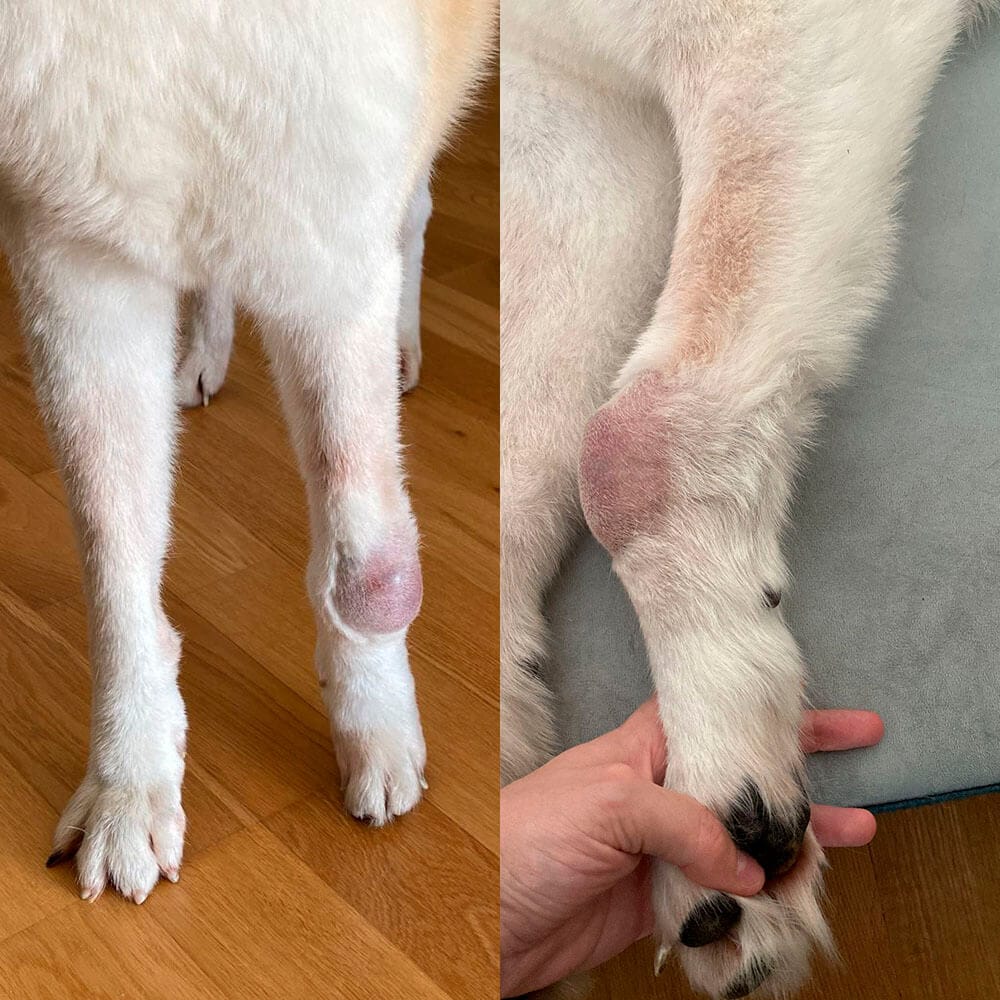
Edema, swelling, or tumor.
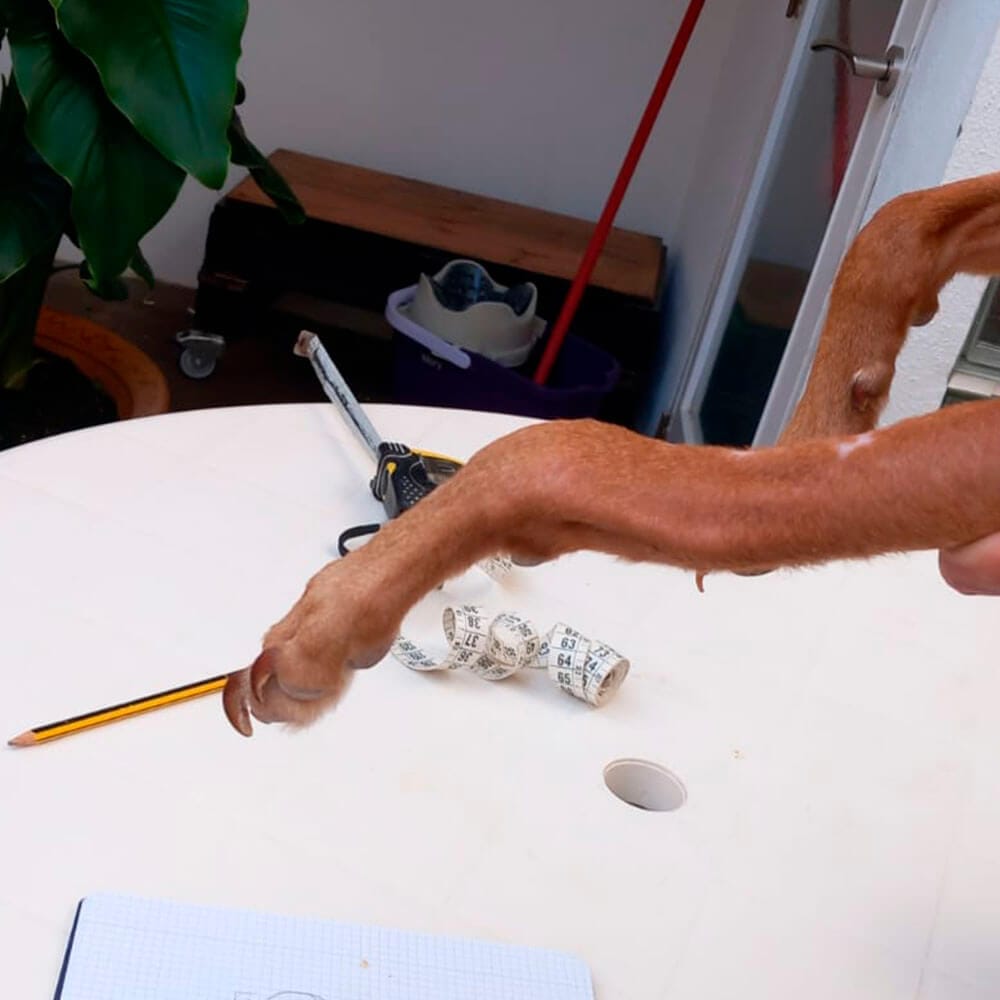
Limb deformity.
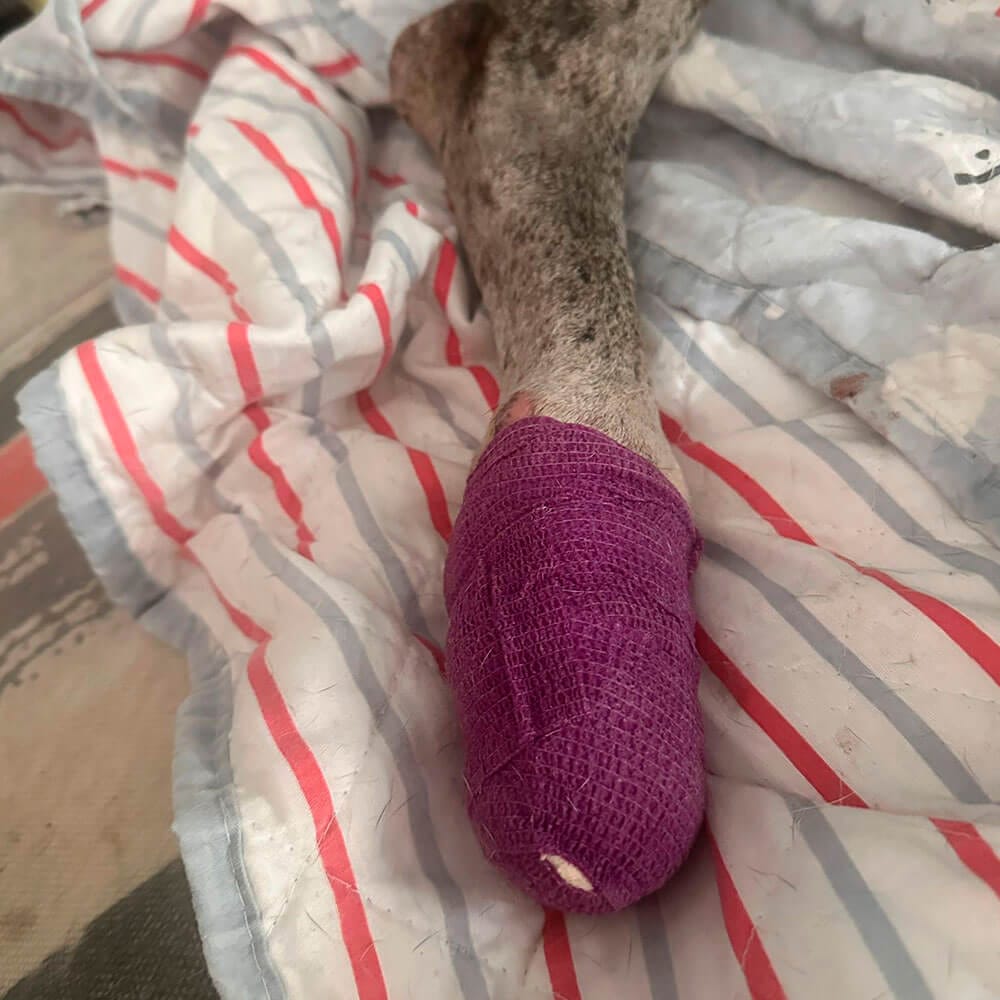
Swelling in toes or joints.
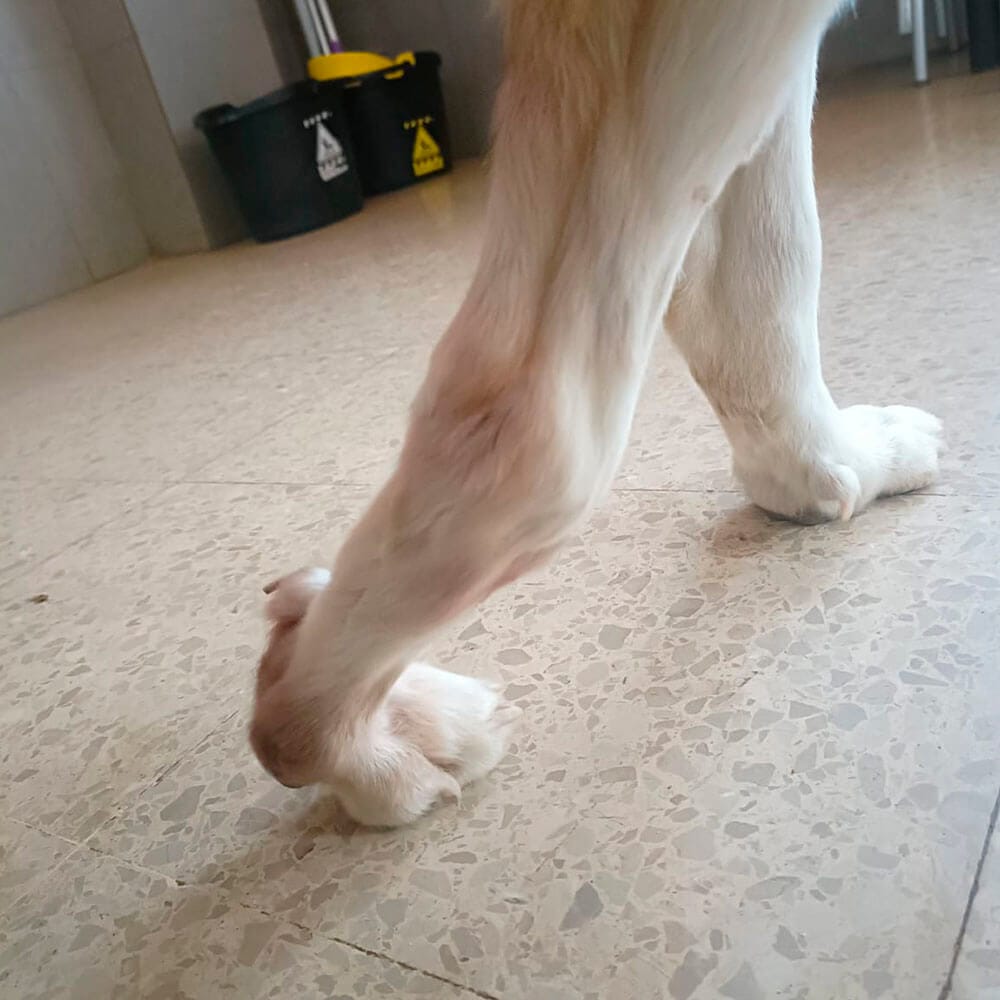
Tarsal torsion.
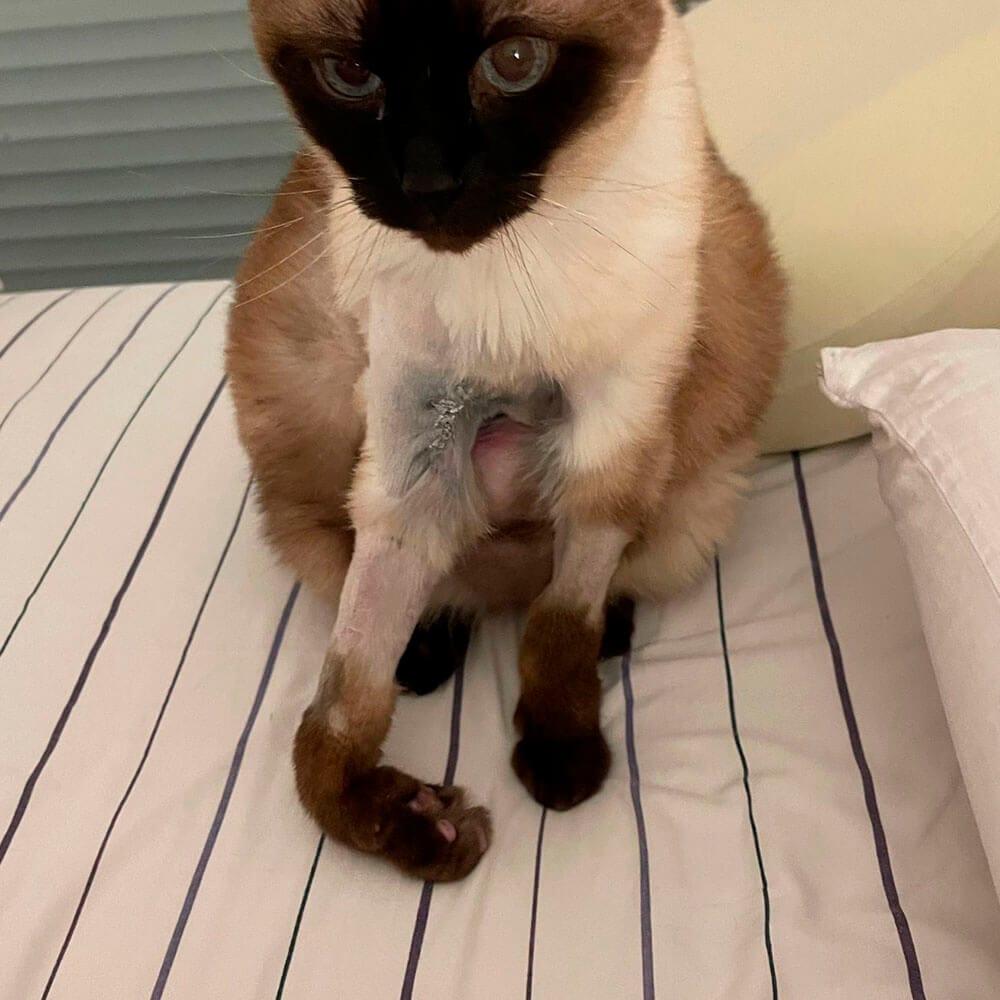
Carpal torsion.
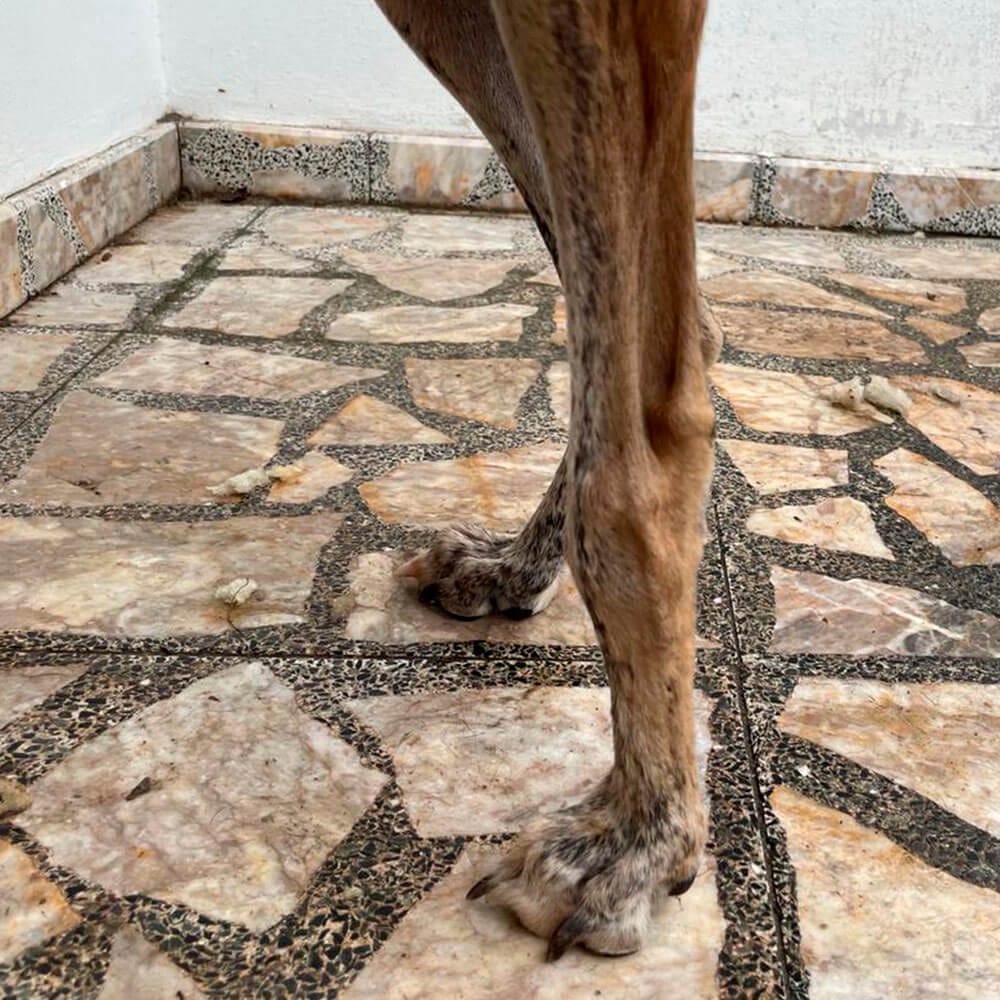
Tarsal joint locking.
When should you choose a custom dog brace instead of technical sizing?¿Cuándo elegir una férula personalizada para perros frente al tallaje técnico?
Choosing the right custom dog brace depends on the anatomical pattern, the degree of instability, and the therapeutic objective.
- The paw does not rest straight.
- There are very pronounced bone prominences.
- The veterinarian has indicated structural correction.
- The limb is visibly different from the contralateral one.
- There have been poorly healed fractures.
- There is a height difference between limbs.
- One or more toes are missing.
If you have any doubts, it is best to consult before placing the order.
So which one is better?
Not every case requires a custom dog brace. In many patients, technical sizing provides sufficient stability. However, when the anatomy requires it, choosing a custom dog brace can make the difference in fit and functionality. The best option is the one that adapts to the dog’s real needs.
In 88% of cases, technical sizing works perfectly. If your case belongs to the remaining 12% that may present complications like those mentioned above, a fully customized option is the most appropriate.
Our goal is not to recommend the most complex option, but the most appropriate one for your specific case.
Frequently Asked Questions
Is technical sizing less effective than a mold?
No. In standard anatomies it can provide excellent support.
Is customization always better?
Only when there is a deformity, limb locking, or a need for very specific correction.
¿Puedo empezar por tallaje y cambiar después?
It depends on the case. It is best to evaluate it beforehand to avoid duplicating processes.
Does the price change significantly?
Yes. A custom brace is a specific project for your dog, so the type of work involved is completely different.
Does technical sizing immobilize in the same way?
When properly indicated, it provides adequate stabilization.
Do I need a veterinary report?
Not always, but in complex cases it helps make a better decision.
Not sure which one to choose?
We can review photos, measurements, and clinical context before manufacturing.
Sometimes a small prior evaluation avoids mistakes and unnecessary returns.
Would you prefer us to accompany you in the process?
If you want to make sure that the measurements and the model chosen are correct, you can book a personalized technical study.
Customized technical study
Professional analysis of your dog’s case to ensure the chosen option and the necessary measures are correct.
Includes
– Review of photos and videos
– Assessment of the most suitable model
– Accompaniment in taking measurements
– Resolution of technical doubts
Online session (video call) or in person by appointment.